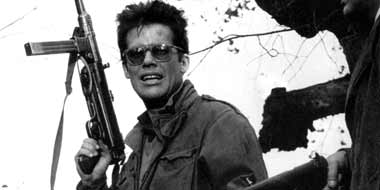
"Popiół i diament" / Ashes and Diamonds (1958)
A review presenting the movement, which took the Polish cinema to international festivals is organised in collaboration with the Polish Film Institute. Shows of the most renowned Polish directors - Andrzej Wajda, Andrzej Munk, Jerzy Kawalerowicz, or Kazimierz Kutz – will be accompanied by meetings with the filmmakers, press conferences, and lectures held by a renowned film critic and lecturer at the Jagiellonian University, professor Tadeusz Lubelski. The initiative will not just be an interesting and educational proposal for the participants but will surely constitute an opportunity to get the numerous foreign guests acquainted with the achievements of the Polish cinematography.
The Polish film school became the showcase of the Polish cinema around the world and played a role in the confirmation that Polish culture has its place in the European culture. “Export goods" - as the school’s films proved to be, allowed Polish directors to pursue their careers abroad later on - not necessarily emigrants. Several films from the second half of the 50's and early 60s allowed Poland to join the elite culture of post-war Europe. Pictures such as Kanał [Canal], Popiół i diament [Ashes and Diamonds], Eroica [Heroism], Zezowate szczęście [Bad Luck], Pociąg [Baltic Express] or Matka Joanna od Aniołów [Mother Joan of the Angels] won awards at international festivals and convinced the French critics to coin the term Polish film school.
Achievements of the Italian Neorealism and the political transformations taking place within the country (October 1956) had the most inspiring impact on the Polish school. An attempt was made then to deal with the war times and Nazi occupation (the directors focused their attention of the Polish Home Army generation and the latest history). It was also possible to commence a dialogue with the audience and to work out an authentic voice of the young post-war generation. Films of this movement portrayed the national nature of Poles and were an attempt to deal with the Polish myths and national stereotypes. Two clear trends developed – heroic, with Andrzej Wajda as the main representative and polemic, sarcastic and demythologizing, associated with Andrzej Munk.
This movement also appeared as the generation’s objection to the socreal art scheme. This was the period when the young generation of directors, screenplay writers, operators, and actors started their careers, such as: Andrzej Wajda, Andrzej Munk, Jerzy Kawalerowicz, Wojciech Has, Kazimierz Kutz, Tadeusz Konwicki, Stanisław Różewicz, Jerzy Stefan Stawiński, Zbigniew Cybulski, or Tadeusz Łomnicki.
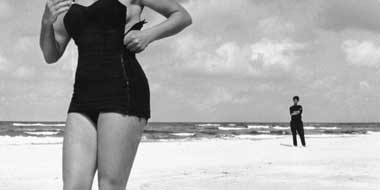
"Ostatni dzień lata" / The last day of summer (1957)
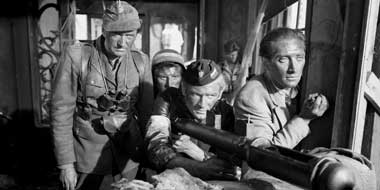
"Kanał" / Canal (1957)
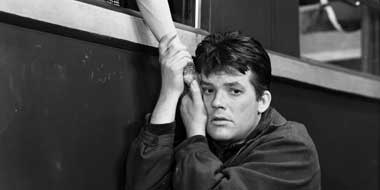
"Pociąg" / Baltic Express (1959)